
How Governor Healey’s New Tax Credit Will Help Farms and Communities
At Food Link, we recognize that food rescue doesn’t occur in a bubble. The political, economic, and social spheres around us shape and influence the communities we serve, the organizations that donate food to us, and our own operations. On June 12th, 2026, Governor Healey signed a supplemental Massachusetts Fiscal Year 2026 budget, which includes a new tax credit for farms who donate food to nonprofit distributors like Food Link. Read on as our Development and Communications Associate Darcy examines what impact this credit will have on farmers, nonprofits, and the people they serve.
What Does the Tax Credit Include?
The Fiscal Year 2026 budget credits farmers up to $5,000 annually for donating food to nonprofits including food banks and pantries. This state-level tax credit will be available for the next three years, and could mitigate federal cuts to the Supplemental Nutrition Assistance Program (SNAP), which over a million people in Massachusetts rely on. Already, the federal H.R.1 bill that passed in summer 2025 has transferred “significant new costs to states” for SNAP maintenance. This tax credit helps relieve some of that pressure.
To be eligible for the tax credit, farms must be recognized under Massachusetts law as farming businesses, and must donate to food distribution nonprofits that possess 501(c)3 certification.
In short, the credit acts as a potential safety net for SNAP and promotes further collaboration between farms and nonprofits serving Massachusetts.
How Does the Tax Credit Impact Farmers?
According to the Massachusetts Food System Collaborative, this tax credit will be advantageous for farmers, particularly those who are just beginning or belong to historically marginalized communities.
“Massachusetts farmers make $0.95 for every $1 they invest in their business,” the Collaborative states. “[W]ith the Commonwealth’s cost of farmland around $15,000 per acre, beginning and young farmers cannot afford to purchase the third most expensive farmland in the country.”
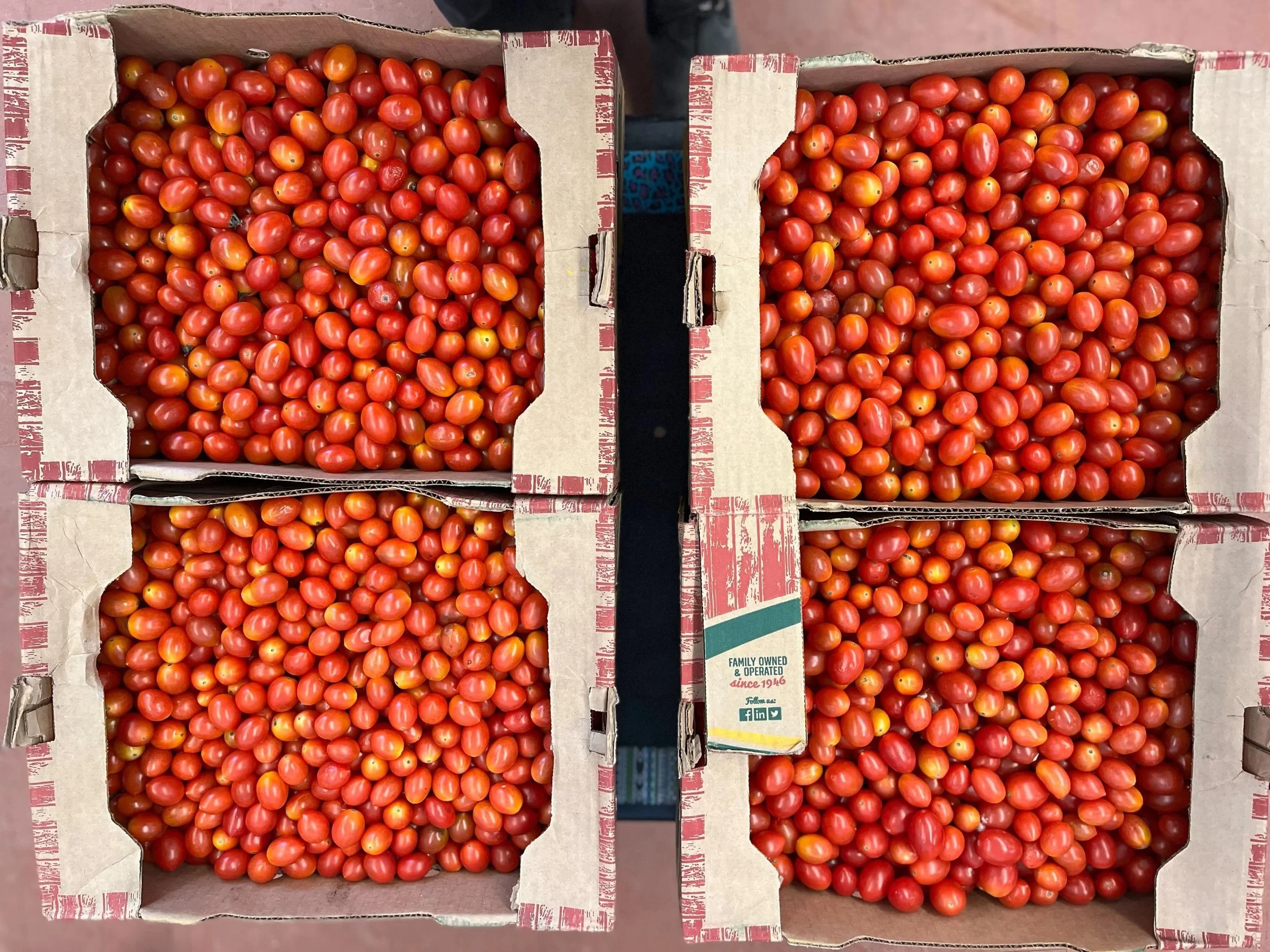
This imbalance between expenditure and revenue means farmers have low tax liability. A credit such as the one introduced in the budget will not only incentivize farmers to donate excess food to the emergency food system, but will additionally alleviate their own financial concerns.
How Does the Tax Credit Impact Communities?
The tax credit will also support Massachusetts community members. Funding cuts to the Local Food Purchase Assistance Program and other nutrition programs have decreased the amount of produce and other fresh foods getting to people who need them. The Massachusetts Food System Collaborative reports that 1 in 7 Massachusetts residents depend on SNAP.
The tax credit counters these issues by providing farmers with the financial means to harvest produce that would have been wasted. Greenfield Recorder emphasizes the success of these initiatives. For example, Red Fire Farm donates 50,000 to 100,000 lbs. of produce yearly to the Food Bank of Western MA, Project Soup, and Spoonfuls. Silmarily, Clarkdale Fruit Farms purposely grows excess apples to send to local food banks and pantries.
By establishing more financial support in place for farmers, the tax credit ensures the continued distribution of fresh produce to Massachusetts communities who need it. “It’s a win-win-win” as State Senator Jo Comerford of Northampton told the Greenfield Recorder.
What Next?
While we are excited that this tax credit was approved, the work is far from over. At the time of writing, the Massachusetts Food System Collaborative is pushing for nine more acts to pass through the state senate. The bills range from promoting food education initiatives in public schools, creating a commission that advocates for BIPOC farmers, and supporting urban farming in vacant lots.
You can learn more about how you can get involved in food policy advocacy here. Subscribe to the Food Link newsletter for updates on the bills we are supporting and actions you can take. Thank you for reading, and we hope this article illuminated for you the importance of advocacy in food rescue.
If you would like to stay up to date with Food Link’s policy work, please subscribe to our newsletter and follow us on social media. Looking for more ways to support us? Consider making a gift or signing up to volunteer. If you have any questions, email us at info@foodlinkma.org or call us at 781-819-4225.